April 6, 2026
Water damage can be one of the most devastating challenges a property owner faces. Whether caused by flooding, broken pipes, or severe weather, it can compromise the structural integrity, safety, and appearance of a building. Restoration after water damage is not simply about cleaning up and drying surfaces; it involves a comprehensive process to ensure the property returns to its original condition or better. Taking immediate and professional action not only preserves your investment but also helps prevent future damage and health hazards. Understanding the importance of building restoration after water damage is key to maintaining the value and safety of any structure.
Water Damage
Water damage can affect a building in more ways than one might imagine. Beyond the obvious aesthetic issues like staining or warping, water can weaken foundational elements, rot wood, and create an environment where mold and mildew thrive. Prolonged exposure can deteriorate materials, compromise electrical systems, and even make a structure unsafe to occupy. For commercial buildings, such damage can also result in lost productivity and business downtime. Proper restoration begins with assessing the full extent of damage, which often extends beyond visible signs and into the deeper layers of the building's framework.
Delaying water damage restoration can turn a manageable situation into a costly disaster. Moisture left untreated can quickly spread, seeping into walls, flooring, and insulation. This trapped moisture fosters mold growth, which can harm indoor air quality and pose serious health risks to occupants. Structural materials like drywall and wood lose their integrity when saturated for extended periods, requiring complete replacement rather than repair. Acting promptly ensures that restoration professionals can mitigate damage early and reduce long-term costs. Investing in timely restoration, supported by effective commercial waterproofing, protects both property value and occupant safety.
Professional building restoration services play an essential role in returning a structure to a safe and functional state. Experts in this field use specialized tools to extract water, dry materials, and disinfect affected areas. They also perform structural assessments to identify hidden issues that might compromise the building over time. Professional teams understand that effective restoration isn't just about aesthetics; it's about ensuring stability, preventing future leaks, and protecting against microbial contamination. Their expertise, combined with waterproofing solutions, ensures the property is fortified against future incidents of water intrusion.
Commercial Waterproofing
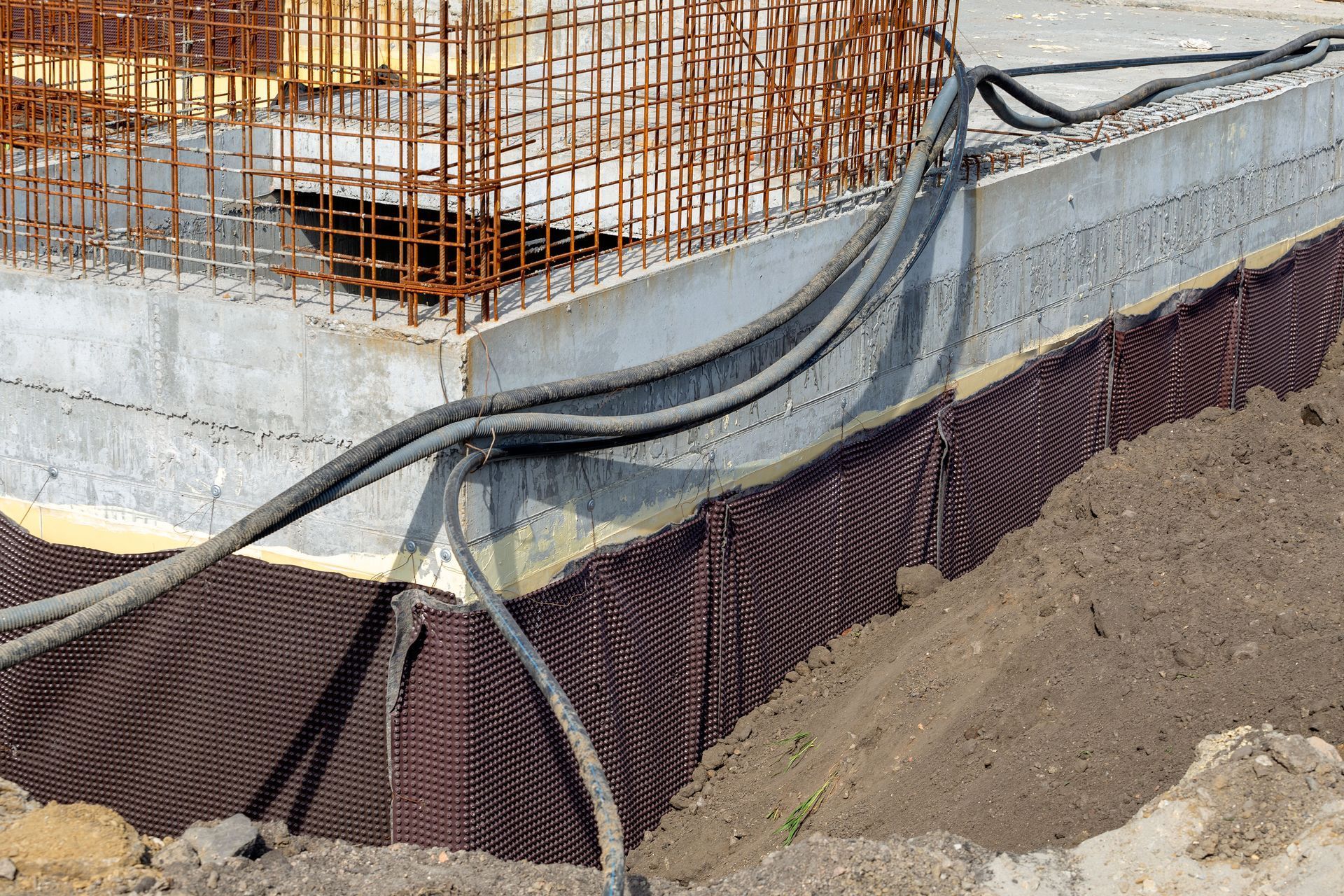
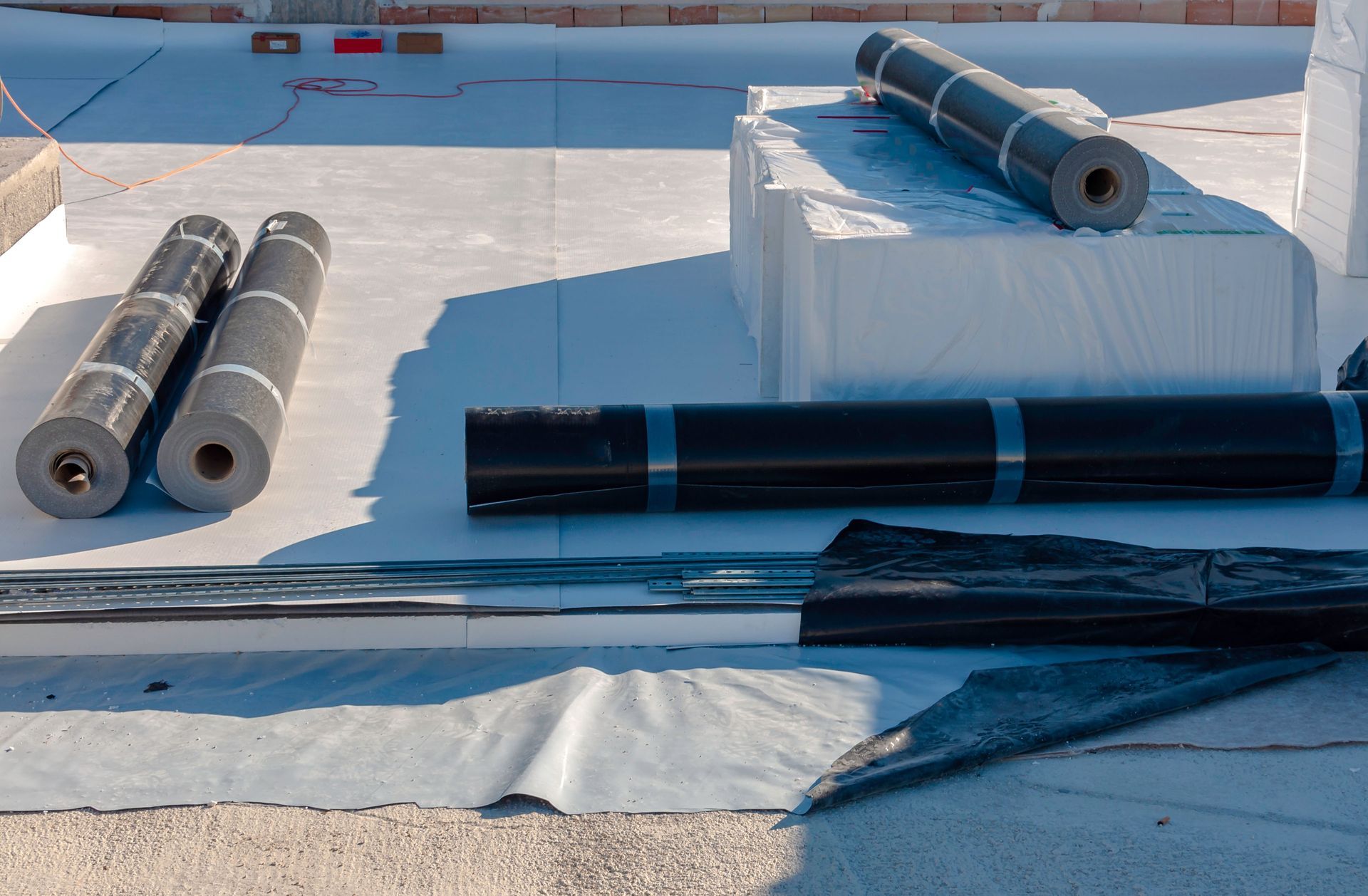
One of the most effective ways to prevent future water damage is through commercial waterproofing. This process involves applying specialized membranes, sealants, and coatings to protect a building's surfaces from moisture infiltration. Waterproofing can be used on roofs, foundations, basements, and even parking structures. For businesses, investing in waterproofing means safeguarding operations, inventory, and assets from unexpected leaks or flooding. Creating a durable barrier against moisture reduces the risk of recurring water damage and minimizes the need for repeated restoration efforts in the future.
Water damage can originate from a variety of sources, both internal and external. Common causes include leaking roofs, burst pipes, poor drainage, and flooding due to heavy rain. HVAC system failures and plumbing issues are frequent culprits in commercial spaces, especially older buildings. Without preventive measures like regular inspections and waterproofing, even minor leaks can escalate into significant structural problems. Understanding the root cause is crucial for effective restoration, ensuring that the same issue does not recur after repairs are completed.
Building restoration after water damage typically involves several key stages. The process begins with inspection and assessment, where professionals identify the extent and category of water damage. Next, water extraction and removal take place, followed by drying and dehumidification to eliminate residual moisture. Once the building is fully dried, cleaning and sanitization help prevent microbial growth. Finally, repairs and reconstruction restore the property to its pre-damage condition. Throughout each phase, incorporating commercial waterproofing measures can help strengthen the building's resistance to future water-related issues.
Structural Integrity
When water damage affects a building, one of the top concerns is the structure's stability. Excess moisture can weaken concrete, rust metal supports, and cause wooden beams to warp or rot. Over time, this compromises the entire framework, making it unsafe for occupancy. Restoration professionals evaluate these risks and reinforce compromised areas to restore strength. In commercial settings, combining structural repairs with waterproofing enhances the long-term safety of the building. This ensures that the repaired structure not only meets but exceeds its original strength and durability standards.
Water damage not only affects the physical structure; it also has significant health implications. Standing water and damp environments encourage mold growth, which can release spores that trigger allergies, respiratory issues, and other health problems. Contaminated water from floods or sewage backups introduces bacteria and toxins that pose even greater health threats. Effective restoration removes these hazards through cleaning, sanitizing, and moisture control. Implementing commercial waterproofing solutions further prevents moisture accumulation, helping to maintain healthy indoor air quality for building occupants and employees alike.
Ignoring or postponing building restoration can have serious financial repercussions. The cost of repairs increases dramatically as damage worsens, and insurance claims may be denied if negligence is proven. Businesses may also face downtime, lost inventory, and reduced property value due to unaddressed issues. Preventive measures like regular inspections and waterproofing can save thousands in future repairs. According to IBIS World, the market size of the damage restoration services in the US industry is over $7 billion in 2025, illustrating just how significant this problem has become and how vital restoration services are for protecting property investments.
Lasting Results
Choosing the right restoration company is critical to achieving lasting results. Experienced professionals can identify hidden damage, recommend structural improvements, and implement solutions tailored to the building's specific needs. The best restoration partners also understand the importance of commercial waterproofing and will integrate it into their repair strategy. This collaboration ensures that the building is not only restored but strengthened against future risks. Transparency, certification, and a proven track record should all factor into the decision when selecting a restoration partner.
Technological advancements have significantly improved the efficiency and effectiveness of water damage restoration. Equipment such as high-capacity dehumidifiers, negative air machines, and digital monitoring systems enables faster and more precise drying processes. Innovative waterproofing materials, such as liquid membranes and polymer coatings, provide superior protection against moisture intrusion. As restoration methods continue to evolve, property owners benefit from faster recovery times, more durable repairs, and longer-lasting moisture control. This combination of innovation and expertise ensures buildings are better prepared for potential future incidents.
Comprehensive building restoration not only resolves current damage but also enhances the property's long-term value. A well-restored building with robust waterproofing systems is more attractive to buyers, tenants, and investors. It signals proper maintenance and care, which can translate to higher market value. Moreover, addressing water damage thoroughly prevents hidden issues that could surface later, saving owners from costly repairs. Incorporating waterproofing during restoration ensures that every investment made today continues to pay off in durability and protection for years to come.
Smart Investment
Many property owners underestimate the role of waterproofing until it's too late. However, waterproofing is one of the smartest investments a business can make in building preservation. It acts as a preventive shield, protecting structural components from moisture and corrosion. By reducing the likelihood of water infiltration, it minimizes restoration costs, business disruptions, and long-term wear on the building. Combined with professional restoration services, waterproofing creates a strong defense against environmental damage and maintains the integrity of the property's infrastructure.
After restoration, maintaining a safe and productive environment is essential for both commercial and residential buildings. Ensuring the space is free from moisture and contaminants contributes to better air quality and comfort. Regularly checking for leaks, ensuring drainage systems are clear, and maintaining commercial waterproofing measures keep the building secure year-round. A properly restored and maintained structure provides peace of mind to owners and occupants alike, fostering confidence in the safety and stability of the environment.
Water damage can compromise a building's strength, appearance, and safety, but timely restoration and preventive measures make a world of difference. Through professional restoration and reliable waterproofing strategies, structures can be restored to full functionality and protected from future harm. Investing in these processes not only preserves property value but also promotes safety, efficiency, and peace of mind. For those seeking dependable, long-lasting solutions, Structural Restoration Services provides expert restoration and commercial waterproofing to ensure every building stands strong for years to come. For more information, contact us today!