June 25, 2026
Many property owners don't realize how easily water can penetrate solid concrete, brick, and masonry surfaces. Concrete may look completely solid, but it's actually a highly porous material that acts like a dense sponge. Over time, hydrostatic pressure, the immense force exerted by rising groundwater against your foundation, pushes moisture through these microscopic pores and expansion joints. Once inside, water begins to undermine the integrity of the building, which eventually necessitates professional building structural repair.
This isn't a rare anomaly that only affects older or poorly constructed buildings; it's a widespread vulnerability that impacts structures nationwide. In fact, according to RubyHome, nearly 98% of all below-grade basements in the U.S. will suffer from some form of water intrusion over time. This staggering statistic highlights the absolute necessity of preventative waterproofing systems. Waiting until you see standing water, flooding, or severe structural cracking to address moisture issues is a high-risk gamble that almost always ends in a demand for extensive, emergency building structural repair.
Understanding the Hidden Threats of Water
The true danger of water damage is that it often begins where the human eye can't see it. Before a pool of water ever appears on an open floor, moisture can quietly accumulate inside wall cavities, below concrete slabs, and behind exterior brick facades. This hidden moisture creates an ideal environment for hazardous mold growth, which ruins indoor air quality and presents serious respiratory health risks for occupants.
Simultaneously, consistent moisture exposure weakens the chemical bonds within concrete, mortar, and steel reinforcement bars. As these materials slowly degrade over time, they lose their load-bearing capacity, which directly compromises the safety of the entire property. When a building reaches this advanced stage of deterioration, standard superficial maintenance is no longer sufficient, and property owners are forced to invest in complex building structural repair to restore basic safety. Taking a proactive approach to sealing your building envelope keeps moisture out of these vulnerable hidden spaces entirely.
Recognizing the Visible Signs of Failure
While hidden damage accumulates below the surface, your building will eventually display visible warning signs that water has breached its defensive lines. One of the most common early indicators is efflorescence, which appears as a white, powdery crystalline substance on concrete or brick surfaces. This occurs when water dissolves natural minerals inside the masonry and carries them to the exterior surface as it evaporates.
You might also notice localized dampness, peeling paint, bowing drywall, or rust stains bleeding through your concrete surfaces. Rust stains are a particularly urgent warning sign because they indicate that internal steel reinforcement bars, known as rebar, are actively corroding and expanding. This expansion causes the surrounding concrete to crack and break away, a destructive process known as spalling. Once spalling begins, the stability of the component is compromised, making professional building structural repair an absolute necessity to prevent a localized catastrophic failure.
Evaluating the Economic Impact of Neglect
Ignoring minor leaks or delaying waterproofing upgrades might seem like a way to save money in the short-term budget, but it inevitably leads to massive financial burdens later. Simple moisture issues never resolve themselves; they only grow more severe and expensive with every passing season. What begins as a small hairline fracture that could be sealed easily can rapidly expand into a major fault line that threatens the building's equilibrium. The financial difference between routine preventative waterproofing and emergency remediation is staggering.
Property owners who neglect moisture management eventually face astronomical bills for masonry restoration, concrete stabilization, and comprehensive building structural repair. Furthermore, unresolved water damage drastically reduces the market value of a commercial or residential property, frightens away potential tenants, and can even lead to costly municipal code violations or temporary building closures by local authorities.
Assessing the Seasonal Challenges of Weathering
The dynamic weather patterns across the region introduce unique seasonal challenges that accelerate water infiltration if left unchecked. During winter, moisture that has settled inside tiny masonry fissures undergoes repeated freeze-thaw cycles. As water freezes, it expands by nearly 10%, exerting tremendous internal pressure that widens existing micro-cracks into major structural faults. When spring arrives with heavy rainstorms, these newly enlarged pathways allow vast amounts of water to flood deep into the building envelope.
Summer brings high humidity, which slows down natural evaporation and leaves materials damp for prolonged periods, fostering rot and degradation. This continuous cyclical assault means that a building without a robust moisture barrier is constantly deteriorating from season to season. Failing to account for these weather-driven forces leads to an accelerated timeline of material failure, leaving you with no choice but to budget for extensive building structural repair to fix the resulting structural degradation.
Preserving the Long-Term Market Value
Beyond the immediate structural benefits, a comprehensive moisture defense system is vital for preserving the long-term equity and marketability of your real estate asset. Prospective buyers, building inspectors, and commercial real estate appraisers look closely at the condition of a foundation and exterior envelope during their evaluations. Evidence of past water intrusion or ongoing dampness acts as an immediate red flag that can instantly stall a property sale or drastically lower its valuation.
On the other hand, presenting a fully documented history of professional waterproofing upgrades gives stakeholders immense confidence in the physical health of the facility. It proves that you've actively maintained the asset and guarded it against hidden decay, which commands higher lease rates from commercial tenants who want to protect their own assets. Protecting your exterior from fluid intrusion ensures your balance sheet remains healthy and completely shields your property from the devaluation often caused by a sudden need for building structural repair.
Implementing Effective Waterproofing Solutions
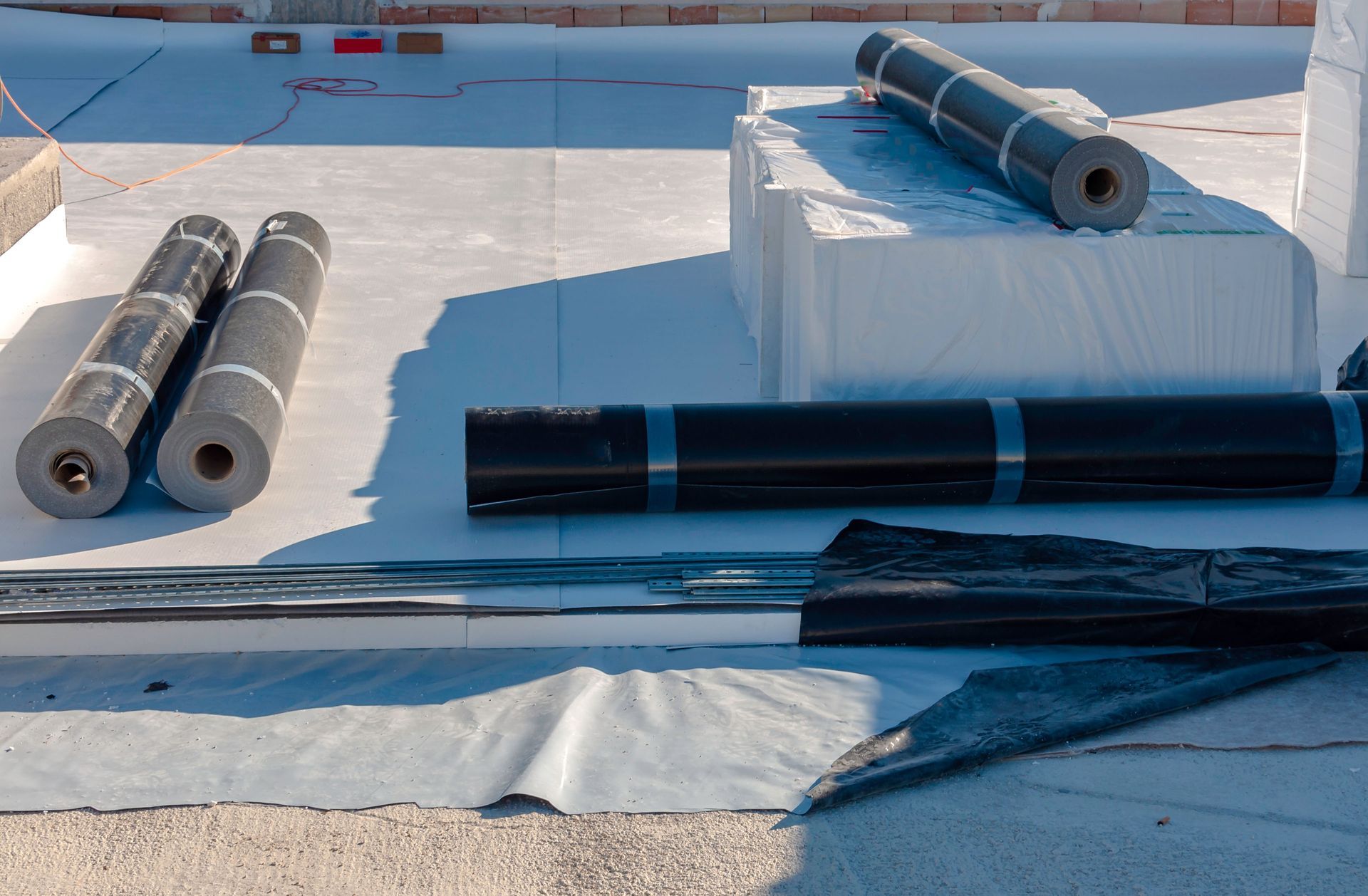
Protecting a property from the relentless assault of water requires a multi-layered, professional approach rather than simple, temporary quick fixes. Effective waterproofing isn't about applying a single coat of waterproof paint; it involves evaluating the entire structure and addressing every potential point of entry. This includes installing high-performance elastomeric coatings on exterior facades to repel wind-driven rain, injecting specialized epoxies into existing concrete cracks, and maintaining robust expansion joint sealants that flex with the building's natural movements.
Additionally, managing water on the outside of the structure through proper drainage, commercial waterproofing membranes, and below-grade barriers ensures that hydrostatic pressure never has the chance to force water through your foundation walls. By establishing these comprehensive defenses, you block moisture at the perimeter, preserve the underlying building materials, and eliminate the root causes that typically trigger the need for expensive building structural repair.
To wrap things up, water damage is a progressive threat that can quietly dismantle a property's financial value and physical safety from the inside out. With nearly every basement in the country facing moisture issues at some point, hoping your property will be the exception is simply not a viable business strategy.
Investing in professional waterproofing is the most reliable way to protect your concrete, masonry, and foundational elements from the devastating effects of long-term water intrusion. By taking a proactive stance today, you save yourself from the stress, disruption, and immense costs of emergency remediation and structural failure down the road. If you want to secure the longevity and safety of your investment, contact Structural Restoration Services today to schedule your comprehensive on-site evaluation.