June 15, 2026
Masonry is known for strength, durability, and long-term performance, but even the strongest materials can develop problems over time. Brick, stone, block, and mortar are constantly exposed to weather, moisture, temperature changes, settling, and daily building use. When damage begins, it may seem minor at first, but small masonry issues can quickly become serious structural concerns if they are ignored. Cracks, loose mortar, bulging walls, water stains, and shifting materials are all warning signs that a building may need professional attention.
For property owners and facility managers, recognizing early signs of damage is essential for protecting safety, appearance, and long-term value. Commercial masonry problems can affect walls, foundations, chimneys, facades, walkways, and other important areas of a building. Acting quickly can help prevent more expensive repairs, reduce safety risks, and protect the structure from further deterioration. If you notice any of the following warning signs, it may be time to schedule masonry repair immediately.
1. Identifying Cracks in Masonry Walls
Cracks are one of the most common signs that masonry needs repair. Some hairline cracks may appear from normal settling, but wider cracks, stair-step cracks, or cracks that continue to grow can indicate a more serious issue. These openings may allow water to enter the wall system, weakening mortar and damaging surrounding materials. Cracks can also suggest movement in the foundation, structural stress, or pressure from moisture trapped inside the wall. In some cases, cracks may affect both the exterior appearance and the overall structural performance of the building if left unaddressed for an extended period.
Property owners should pay close attention to cracks around windows, doors, corners, and load-bearing areas. If cracks appear suddenly or seem to expand over time, professional evaluation is important. Commercial masonry specialists can determine whether the issue is cosmetic, moisture-related, or structural. Addressing cracks early helps prevent further movement and protects the building from deeper damage. Prompt repairs can also help reduce restoration costs, improve safety, and preserve the long-term integrity and appearance of the structure.
2. Identifying Deteriorating Mortar Joints
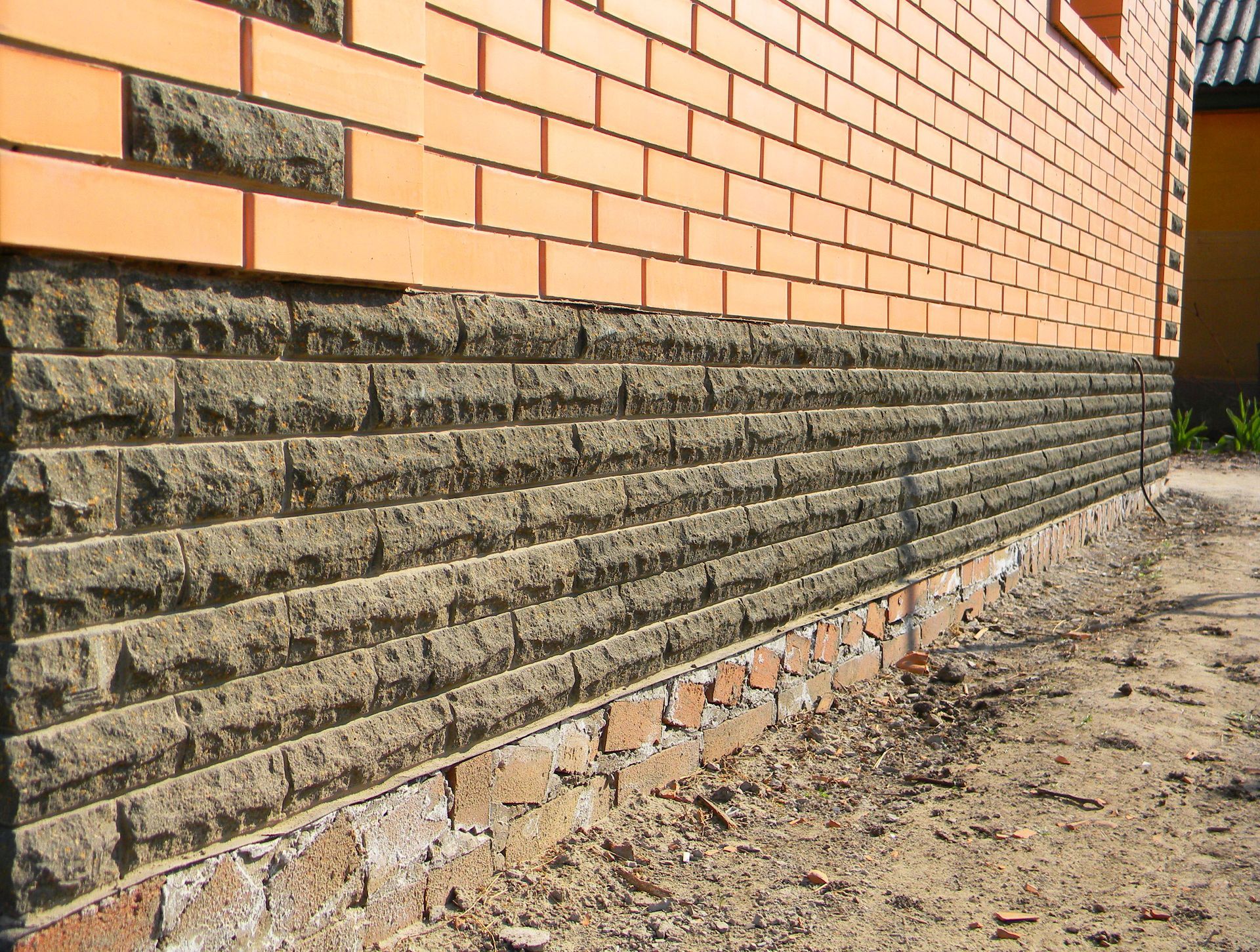
Mortar holds masonry units together and helps keep moisture out of the wall system. Over time, mortar can crumble, crack, loosen, or wash away due to weather exposure and age. When mortar joints deteriorate, bricks or blocks may become unstable, and water can penetrate more easily. This can weaken the entire wall and create conditions for additional damage. As deterioration progresses, masonry units may shift out of place, creating safety concerns and increasing the likelihood of more extensive structural repairs.
Deteriorating mortar is often a sign that tuckpointing or repointing may be needed. This process removes damaged mortar and replaces it with fresh material to restore strength and appearance. In commercial masonry buildings, timely mortar repair is especially important because larger wall surfaces may experience more exposure and stress. Restoring mortar joints helps improve stability and extends the life of the structure. It also enhances weather resistance, improves the building's appearance, and helps prevent moisture-related problems from developing further.
3. Identifying Bulging or Bowing Walls
A wall that bulges, bows, or leans should never be ignored. This type of movement can indicate serious pressure behind or within the wall. Causes may include water infiltration, freeze-thaw damage, foundation movement, poor drainage, or weakened structural supports. Once a wall begins to move out of alignment, the risk of failure can increase if repairs are delayed. What may begin as a minor structural concern can quickly escalate into a major problem that affects the stability and safety of the entire building.
Bulging walls are both a structural and safety concern. They may affect the integrity of surrounding masonry, interior finishes, and connected building components. A professional repair team can inspect the wall, identify the source of pressure, and recommend the proper restoration method. Immediate attention can help prevent collapse, reduce liability, and protect people using the building. Early intervention may also help preserve nearby structural elements and minimize the cost and scope of future restoration work.
4. Identifying Water Stains and Moisture Damage
Water is one of the most damaging forces affecting masonry. Stains, damp patches, efflorescence, mold, mildew, or peeling interior finishes may indicate that moisture is entering the wall system. Even when the damage appears minor, hidden water intrusion can weaken mortar, corrode metal supports, and create long-term structural problems. Moisture can also expand during freezing temperatures, causing cracks and surface deterioration.
Commercial masonry repair often involves identifying how water is entering the structure. Damaged flashing, cracked mortar, failed sealants, poor drainage, or open joints may all contribute to the problem. Correcting moisture issues quickly helps protect both the exterior and interior of the building. Once the water source is controlled, damaged materials can be repaired or replaced to restore performance.
5. Identifying Loose or Missing Masonry Units
Loose, shifting, or missing bricks, stones, or blocks are clear signs that repair is needed. Masonry units may become unstable when mortar fails, water causes expansion, or structural movement places pressure on the wall. Missing units leave openings where additional moisture and debris can enter, increasing the risk of further deterioration.
Loose masonry can also create safety hazards, especially on taller buildings, walkways, entrances, and public-facing areas. Falling materials may endanger pedestrians, employees, customers, or nearby property. According to IBIS World, the United States is home to 60,020 businesses operating within the Damage Restoration Services industry. With so many restoration providers available, it is important to choose experienced professionals who understand masonry systems and can complete repairs correctly.
6. Identifying Foundation and Settlement Issues
Masonry problems are sometimes connected to foundation movement or uneven settlement. Warning signs may include stair-step cracks, gaps around doors or windows, sloping floors, separated walls, or recurring cracks after previous repairs. When the foundation shifts, masonry above it may be pulled, compressed, or twisted, creating visible damage across the building.
Commercial masonry structures can be especially vulnerable when settlement affects large wall spans or heavily used areas. Repairing only the surface damage may not solve the problem if the underlying movement is still active. A professional inspection can help determine whether the masonry damage is related to foundation conditions. Addressing the cause of settlement helps prevent repeated repairs and protects the building’s long-term stability.
7. Identifying Spalling and Surface Deterioration
Spalling occurs when the surface of brick, stone, or concrete begins to flake, chip, or break away. This damage is often caused by moisture infiltration, freeze-thaw cycles, age, or improper previous repairs. While spalling may start as a surface issue, it can expose deeper layers of masonry to additional moisture and weather damage. Over time, affected areas may weaken and lose structural integrity.
Surface deterioration can also affect the appearance and value of a building. Crumbling faces, rough patches, and broken edges may make a property look neglected and may signal deeper issues within the wall system. Commercial masonry professionals can evaluate the extent of deterioration and recommend repair, replacement, sealing, or restoration solutions. Prompt repair helps protect the building envelope and prevents damage from spreading.
Masonry damage should never be ignored, especially when it involves cracks, failing mortar, bulging walls, moisture intrusion, loose materials, settlement issues, or surface deterioration. These warning signs can affect safety, appearance, energy performance, and long-term structural value. Acting quickly allows property owners to correct problems before they become more expensive or dangerous. Professional commercial masonry repairs can restore strength, protect against water damage, and extend the life of the building. If your property is showing signs of masonry damage and needs expert attention, contact Structural Restoration Services today.